

The Challenge: The Cost of a “Weak” Egg
In commercial layers, the difference between profit and loss often comes down to the percentage of “marketable eggs.” Factors like thin shells, pale yolks, and internal watery whites aren’t just aesthetic issues—they are signs of nutritional gaps that cost producers millions in breakages and rejected batches.
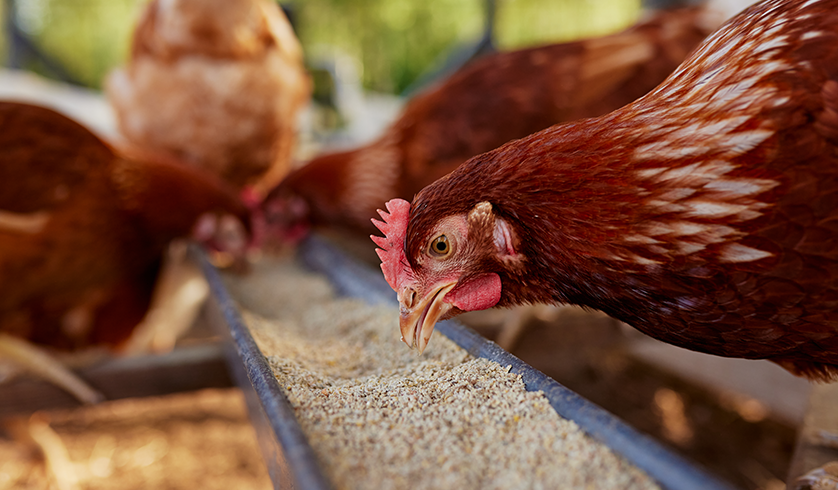
The Solution: Targeted Nutritional Support
To produce a “Grade A” egg, a hen’s body undergoes a massive metabolic feat every 24 hours. Feed additives act as the specialized tools that make this process more efficient:
- Mineral Bioavailability: Adding organic trace minerals (like Zinc and Manganese) ensures the “eggshell gland” has the raw materials needed for a thick, crack-resistant calcified layer.
- Gut Integrity & Absorption: A hen can only deposit what she absorbs. Additives that stabilize the intestinal microbiome ensure that expensive calcium and phosphorus in the feed actually reach the bloodstream instead of being wasted in the manure.
- Toxin Neutralization: Mycotoxins can silently damage the liver—the “engine” of egg production. High-quality binders protect the liver, ensuring consistent yolk color and albumen (white) height.
The Science: Strengthening the Shell and the Bird
Quality isn’t just about the shell. Probiotics and organic acids in the feed lower the pH of the gut, creating an environment that kills pathogens like Salmonella. This doesn’t just keep the bird healthy; it ensures the egg reaching the consumer is safe and has a longer shelf life.
The Result: Better ROI for the Producer
By integrating professional feed additives, poultry operations see three measurable results:
- Lower Breakage Rates: Stronger shells during transport and packaging.
- Extended Laying Cycles: Hens stay productive for longer periods without “burning out.”
- Consumer Preference: Richer yolks and firm whites that command a premium price in the market.