

The Challenge: The Metabolic “Bottleneck”
In both dairy and beef operations, the rumen is the engine of the animal. However, high-starch diets and environmental heat stress often lead to Sub-Acute Ruminal Acidosis (SARA). When the rumen pH drops, fiber digestion stops, milk fat plunges, and the animal’s health begins to deteriorate from the inside out.
The Solution: Optimizing the Microbial Ecosystem
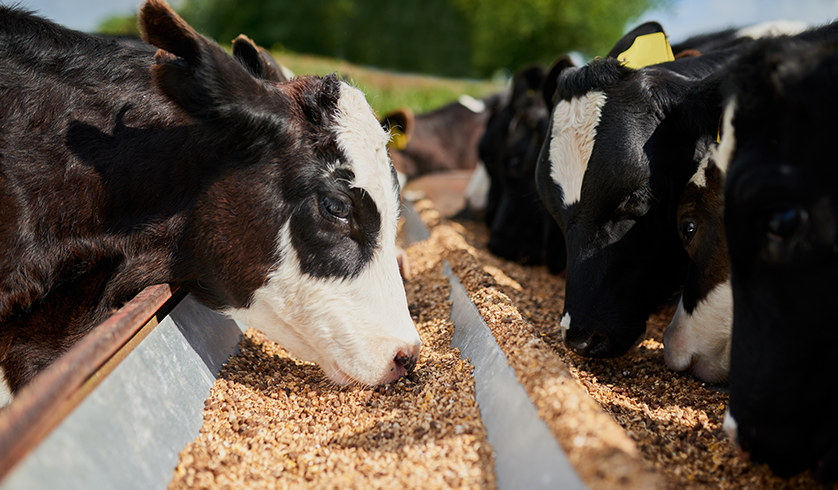
Feed additives for cattle aren’t just “nutrients”—they are ecosystem stabilizers. By managing the fermentation process, producers can unlock hidden energy in their existing ration:
- Buffering and pH Control: Specialized additives prevent the “acid spikes” that kill beneficial fiber-digesting bacteria. This keeps the rumen active and efficient 24/7.
- Enhanced Fiber Degradation: Specific enzymes and live yeast cultures stimulate the growth of cellulolytic bacteria, allowing the cow to extract more energy from every kilogram of silage or hay.
- Toxin Sequestration: Mycotoxins in corn silage can cause “Leaky Gut” in cattle, leading to inflammation and reduced milk yield. Advanced binders lock these toxins away before they can enter the bloodstream.
The Science: Volatile Fatty Acids (VFAs) and Milk Energy
The goal of cattle nutrition is the production of Volatile Fatty Acids (VFAs). These are the primary energy source for the cow. Additives shift the microbial population to produce more propionate (the precursor for glucose and milk lactose) and acetate (the precursor for milk fat).
The Result: More Milk, More Meat, Less Waste
When the rumen is optimized via high-quality additives, the economic benefits are immediate:
- Improved Feed Efficiency: Lowering the cost of production per liter of milk or pound of gain.
- Higher Milk Fat and Protein: Meeting the premium payment standards of processors.
- Reduced Metabolic Stress: Fewer cases of lameness and ketosis, leading to longer productive lives for the herd.