

The Challenge: The Post-Weaning Lag
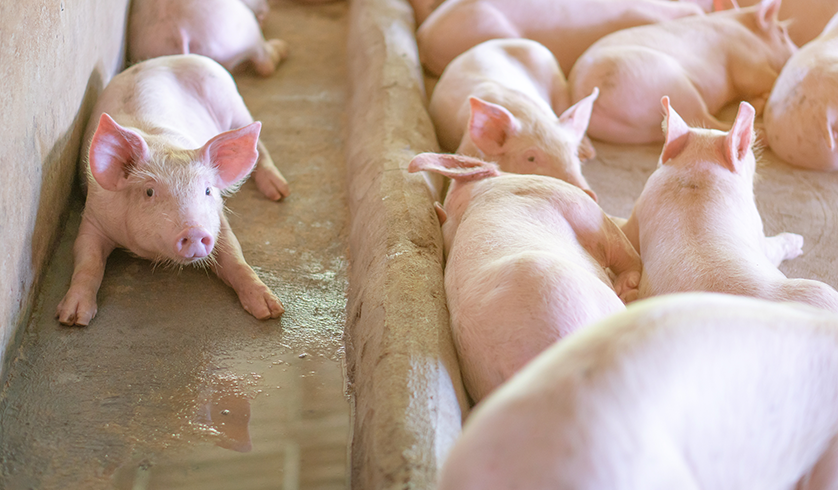
The most critical period in a pig’s life is the transition from sow’s milk to solid feed. During this “weaning gap,” piglets often suffer from villi atrophy (damage to the gut lining), leading to diarrhea, stunted growth, and high mortality. Any growth lost in the first week post-weaning can never be fully recovered, delaying the time to market.
The Solution: Building a Resilient Digestive System
Swine feed additives are engineered to bridge this gap and maintain a high-performance metabolism throughout the finishing stage:
- Acidification & Pathogen Control: Organic acids lower the stomach pH, which is essential for activating protein-digesting enzymes and killing harmful bacteria like E. coli and Salmonella.
- Intestinal Integrity: Specialized additives support the growth of intestinal villi, increasing the surface area available for nutrient absorption.
- Mycotoxin Deactivation: Pigs are highly sensitive to Zearalenone and Vomitoxin found in grain. Advanced binders prevent these toxins from causing reproductive issues or feed refusal.
The Science: Nutrient Bioavailability and Enzyme Activity
Pigs lack the natural enzymes to break down complex plant fibers (NSPs) and phytate-bound phosphorus found in soy and corn.
By adding exogenous enzymes (like Phytase and Xylanase) to the feed, we unlock “trapped” energy and minerals. This not only speeds up growth but also reduces the amount of nitrogen and phosphorus excreted into the environment.
The Result: Uniformity and Market Readiness
A synchronized herd is a profitable herd. By using targeted swine additives, producers achieve: